
Height Matters: The Guide to Pairing Chair and Stool Heights with Your Tables
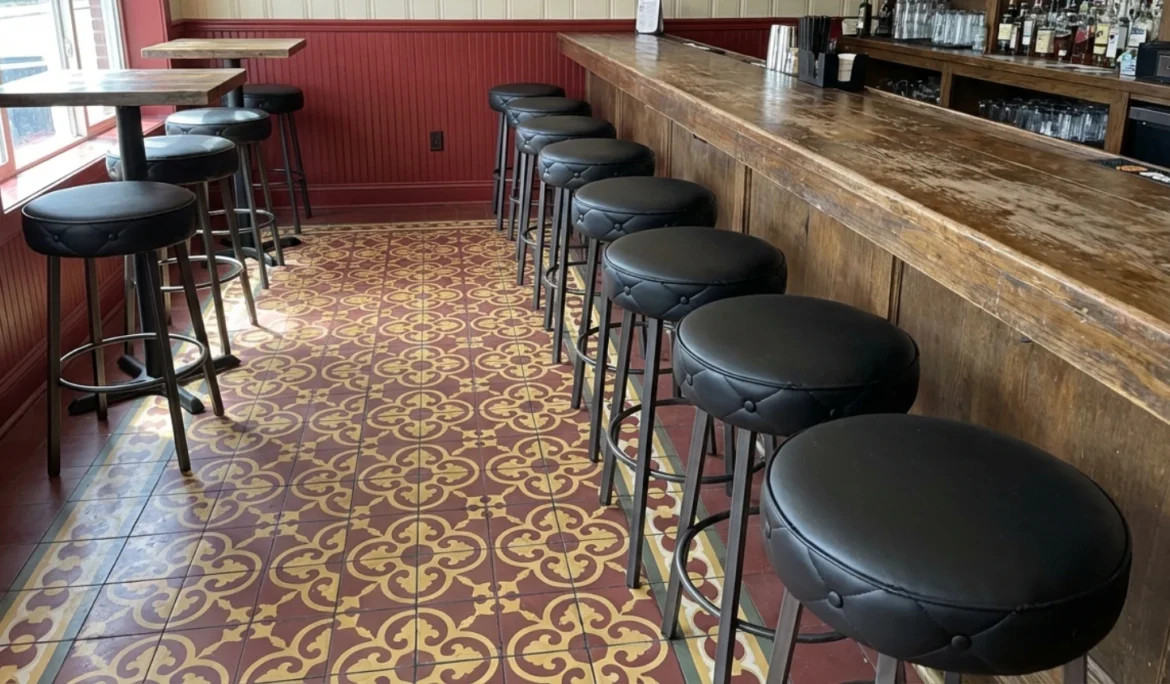
We see it happen all the time. A client walks into our Los Angeles workshop with a picture of a stunning vintage dining table they just bought, or perhaps they are opening a new bistro in Santa Monica and have already installed the bar counters. They are excited about the design, the fabrics, and the textures. But when we ask, “What is the clearance height?” there is a moment of pause.
It is easily the most overlooked aspect of furniture design, yet it dictates comfort more than almost anything else. You can have the most plush, custom-upholstered velvet seat in the world, but if your knees are scraping the bottom of the table or your chin is barely clearing the countertop, nobody is going to want to sit there for more than five minutes.
getting the vertical proportions right is partly math and partly art. As custom furniture makers, we spend a lot of time measuring legs, accounting for cushion compression, and ensuring the ergonomics are perfect before we ever cut a piece of fabric. Whether you are outfitting a breakfast nook or designing a high-traffic bar, understanding the relationship between seat height and surface height is critical.
The Standard Dining Equation
Let’s start with the most common scenario: the dining room. Standard dining tables usually sit right around 30 inches off the ground. Because this measurement is so consistent across the industry, most store-bought dining chairs are built with an 18-inch seat height. That leaves you with 12 inches of space between the seat and the table surface. This 12-inch gap is the “golden zone” for leg room.
However, in the world of custom furniture and vintage finds, “standard” doesn’t always apply. We often work with clients who have antique farmhouse tables that might run a little lower, say 28 or 29 inches. If you pair a modern, firm dining chair standing at 19 inches with that antique table, taller guests are going to feel trapped.
When we build custom dining chairs or reupholster existing frames, we look closely at cushion loft. A seat might measure 19 inches to the crown (the highest point of the cushion), but once you sit, a soft down-fill might compress two inches. A firm high-density foam might only compress half an inch. We calculate that compressed height to ensure that when you are actually seated, your elbows rest naturally on the table surface without your shoulders hiking up toward your ears.
Counter Height vs. Bar Height: Don’t Mix Keep Them Up
This is where the confusion usually sets in. In residential kitchens and commercial spaces, there are two distinct categories of elevated seating, and they are frequently bought interchangeably by mistake.
Counter height refers to surfaces that are roughly 36 inches high—the same height as a standard kitchen countertop. For these, you need stools with a seat height ranging from 24 to 26 inches. This is what you typically see in a home kitchen island.
Bar height is taller. These surfaces sit around 40 to 42 inches high. You see this in pubs, some restaurant sections, and occasionally in raised breakfast bars in homes. These require stools that are 28 to 30 inches high.
Mixing these up is a disaster for comfort. Putting a counter stool at a bar-height table makes you feel like a child trying to reach the grown-up table. Conversely, a bar stool at a counter leaves no room for your legs. When we are designing custom banquettes or booths for restaurants, we have to be even more precise because the seat is fixed. There is no scooting back to make room for your knees. We usually create mock-ups for our commercial clients to ensure the “slide-in” factor works for customers of all sizes.
The Impact of Upholstery on Height
As a shop specializing in upholstery, we have to account for the “puff” factor. A wooden stool has a static height. It is what it is. But a deeply tufted custom bar chair? That is dynamic.
When we are restoring a set of chairs or building new slipcovered furniture, we need to know the clearance of the table apron. The apron is that piece of wood that connects the table legs beneath the surface. Some tables have very deep aprons for structural support.
If you bring us a project to create thick, luxurious cushions for your dining chairs, we might recommend shaving an inch off the wooden legs. Why? Because adding three inches of premium foam to an existing frame might make the chair too tall for your specific table’s apron. We adjust the frame to accommodate the luxury of the upholstery. It’s a small modification that makes a massive difference in the final usability of the piece.
Custom Solutions for Non-Standard Spaces
Sometimes, the space just doesn’t follow the rules. We recently worked on a project in a hillside home with custom architectural features where the built-in counters were set at a unique 38 inches—too tall for standard counter stools, too short for bar stools.
In retail scenarios, the homeowner would be stuck cutting legs off bar stools (ruining the proportion) or sitting too low. This is where custom manufacturing shines. We built the frames from scratch to hit a precise 27-inch seat height. We were also able to customize the footrest height. That is another detail often forgotten; if the footrest is too low on a tall stool, your legs dangle uncomfortably, cutting off circulation. If it’s too high, your knees push up. We scaled the footrest placement specifically to the client’s inseam preference.
Tips for Measuring Your Own Space
If you are planning to commission custom seating or are looking to reupholster what you have, accurate measurements enable us to give you the best advice.
Measure from the floor to the top surface of the table or counter.
Measure from the floor to the bottom of the table apron (skirt). This determines your maximum thigh clearance.
If you have existing chairs you like, measure the seat height from the floor to the highest point of the cushion.
Sit in the chair and have someone measure how much the cushion compresses.
Also, consider the arms. If you love the look of dining armchairs, you need to ensure the arms can slide under the table when the chair is tucked in. Nothing disrupts the visual flow of a room more than chairs that stick out three feet because the arms bump against the table edge. We can alter arm heights during the frame-building process to ensure a perfect tuck.
Commercial Considerations for Restaurants and Bars
For our business clients running hospitality venues, durability meets dimensions. In a high-volume bar, guests are constantly getting on and off stools. If the height isn’t right, customers tend to drag the stool further out to compensate, blocking walkways and creating hazards for servers.
Furthermore, booth seating generally needs to be slightly lower and firmer than residential sofas. A residential sofa might have a relaxed pitch (the angle of the back), encouraging lounging. A restaurant booth needs a more upright pitch and a specific seat height generally around 18 inches that allows diners to lean into their meal without sliding forward.
We love the challenge of getting these mechanics perfect. Whether it’s a single bespoke ottoman for a vanity table or fifty booths for a new downtown eatery, the goal is always the same: furniture that feels as good as it looks. Comfort is rarely accidental; it is engineered.
If you are struggling with a table that just doesn’t feel right with your current chairs, or you have a custom build in mind, give us a call or stop by the shop. We can look at your measurements, evaluate your foam density, and figure out the exact adjustments needed to fix the ergonomics.
