
Branding Through Furniture: Custom Colors and Details for Franchises and Chains
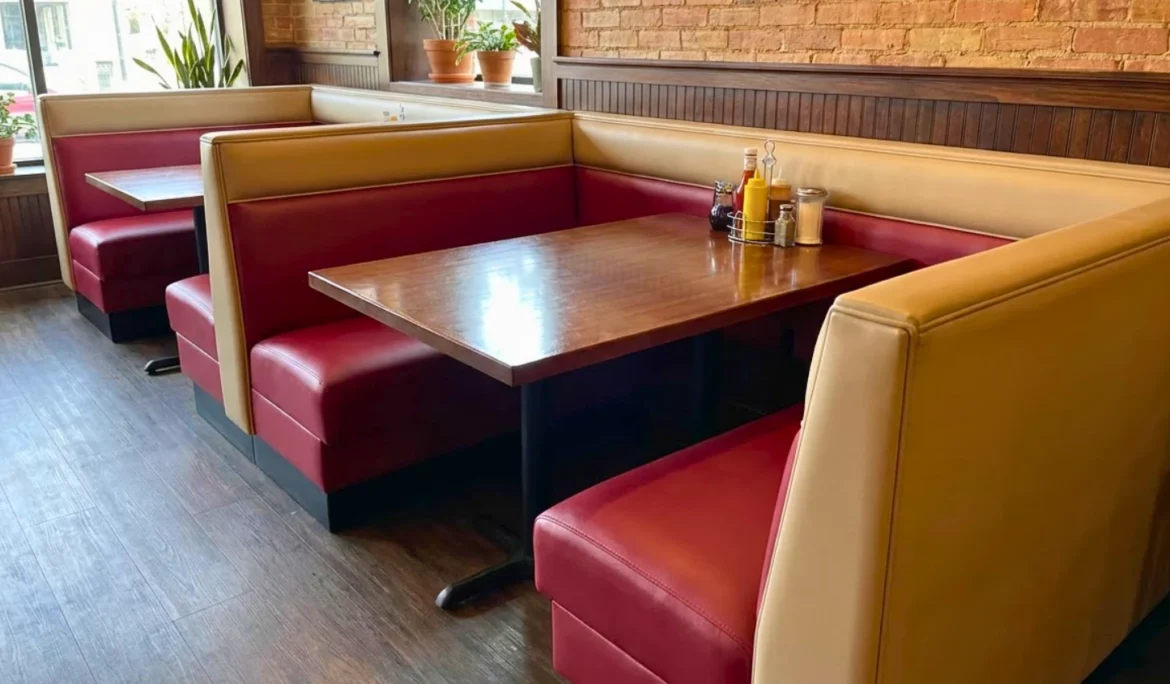
When you walk into your favorite coffee shop or check into a boutique hotel, do you ever stop to think about why the chair you’re sitting in feels correct? It isn’t just about comfort—though that is obviously critical—it’s about consistency. The shade of the velvet on a banquette or the specific stitching on a barstool serves a much larger purpose than just giving you a place to rest. It is a subtle, psychological reinforcement of who that company is.
For franchise owners and chain managers here in Los Angeles and beyond, physical space is the final frontier of marketing. You can have a perfect logo and a stunning website, but if the physical environment feels generic, the brand disconnects. Creating a cohesive look across multiple locations isn’t just about painting the walls the same color; it comes down to the tactile elements customers interact with most. Furniture is the tangible touchpoint of your brand.
Why Standard Catalog Furniture Often Fails Franchises
There is a temptation, especially when opening a second or third location, to simply order furniture from a large commercial catalog. It’s fast, and the pricing is predictable. But there is a hidden cost to “off-the-shelf” solutions. The problem is that your competitors have access to that exact same catalog. You might end up with the same booths as the burger joint down the street, even though you are trying to position yourself as an upscale bistro.
Custom furniture eliminates that risk entirely. When we build restaurant booths or upholster lobby chairs, we aren’t restricted by what is currently in stock in a warehouse. We are building to a specification that is unique to your business identity. If your brand guidelines specify a very particular shade of “sunset orange,” finding that in a pre-made chair is nearly impossible. With custom upholstery, we simply match the fabric dye lot to your Pantone colors.
Beyond just color, there is the issue of spatial efficiency. Catalog furniture comes in standard dimensions. Your real estate, however, rarely follows standard dimensions. Los Angeles commercial spaces are notorious for odd angles, quirky alcoves, and structural columns that get in the way. Custom banquettes and seating can be built to wrap around these obstacles, maximizing your cover count and ensuring you aren’t paying rent for dead space that standard furniture can’t fill.
The Subconscious Power of Stitching and Texture
Details matter more than people realize. You might not consciously notice that a sofa has diamond-tufting versus a smooth finish, but your brain registers the texture and assigns a value to it.
For example, a high-energy sports bar might want durable vinyls with high-contrast, double-stitched seams. This communicates durability, action, and a rough-and-tumble vibe that fits the atmosphere. Conversely, a high-end spa franchise needs soft, linen-like textures, muted tones, and perhaps some soft piping details that suggest relaxation and gentleness.
These small choices accumulate to tell a story. We worked on a project recently where a hospitality group wanted to evoke a mid-century modern feel without making the furniture look like a museum exhibit. The solution wasn’t just in the shape of the wood frames, but in the specific weave of the fabric selected—a heavy, tactile weave that felt vintage but performed with modern stain resistance.
Durability Is Part of the Brand Promise
Nothing damages a brand image faster than a torn seat or a sagging cushion. It screams neglect. If a customer visits a franchise location in Santa Monica and sees pristine interiors, then visits a sister location in Pasadena and sees worn-out upholstery, they subconsciously assume the food or service quality has dropped as well.
Commercial furniture takes a beating. It has to withstand thousands of “sits” per year, spills, belt buckles, and heavy cleaning chemicals. When we construct hospitality upholstery, we focus heavily on foam density and frame integrity.
High-Density Foam: We use high-resilience foam that bounces back. Cheap foam flattens out after a few months of heavy traffic, leaving fabric loose and wrinkly.
Commercial Grade Fabrics: We recommend fabrics with high “double rubs” ratings (a measure of abrasion resistance). This ensures the armrest of a chair looks as good on day 500 simply because the material was engineered for that level of friction.
Cleanability: For restaurants especially, we look at Crypton fabrics or high-end vinyls that are antimicrobial and easy to wipe down, which is essential for maintaining health scores and customer confidence.
Translating a Digital Brand into a Physical Space
Most businesses start with a digital identity now. You have your Instagram aesthetic and your web colors. Moving that into the “real world” requires a translation process. You can’t just print your website on a chair.
It starts with a conversation about the mood. If your digital presence is sleek, dark, and moody, we look at darker woods, perhaps walnut finishes, paired with leather or deep velvet upholstery. If your brand is bright, airy, and wellness-focused, we might look at bleached woods and canvas-style slipcovers that can be removed and laundered.
This translation is crucial for chains because it builds trust. When a customer walks into a location they haven’t visited before, that familiarity—brought on by the furniture style and color palette—makes them feel at home. They know what to expect.
Navigating “National” Standards with Local Craftsmanship
For those of you managing a franchise that is part of a larger national chain, you often have a strict “look book” you have to adhere to. You might be required to use a specific type of booth or a specific color of red.
However, strict corporate requirements often clash with local availability or specific building codes in California (such as TB117-2013 fire safety standards). This is where working with a local manufacturing partner bridges the gap. We can take the corporate design specs and replicate them faithfully while ensuring the materials meet local safety regulations and fit the specific dimensions of your LA building.
We also handle the logistics that national suppliers struggle with. If you need a repair done on a banquette, shipping it back to a factory in the Midwest isn’t an option. Having a local upholsterer means maintenance is manageable. We can recover cushions or repair springs often with very minimal downtime—sometimes doing the work during your off-hours so you never miss a lunch rush.
Custom Doesn’t Always Mean “More Expensive”
One of the biggest misconceptions about custom furniture is that it breaks the budget. While the upfront cost per unit might be higher than a budget impart, the lifecycle cost is often lower.
A cheap import chair might last 18 months in a busy restaurant before the legs wobble or the fabric tears. A custom-built chair using hardwood frames and commercial joinery can last for a decade, often needing only a simple fabric recover halfway through its life. Over ten years, you buy the cheap chair five times; you buy the custom chair once.
Furthermore, custom furniture allows you to control the budget by manipulating materials. If a specific leather is too expensive, we can find a high-performance faux leather that mimics the grain perfectly but costs a fraction of the price. Realizing your vision is about smart choices, not just unlimited spending.
Whether you are fitting out a single boutique hotel, refreshing a restaurant chain, or coordinating the lobby furniture for several office locations, the furniture you choose is the background music of your customer’s experience. It shouldn’t be loud or distracting, but it sets the tone for everything else.
If you are looking to solidify your brand identity through your physical space, we are here to help guide that process. From selecting the right abrasion-resistant fabrics to building banquettes that fit your floor plan like a glove, we bring a level of care to the table that mass manufacturing simply cannot match.
